
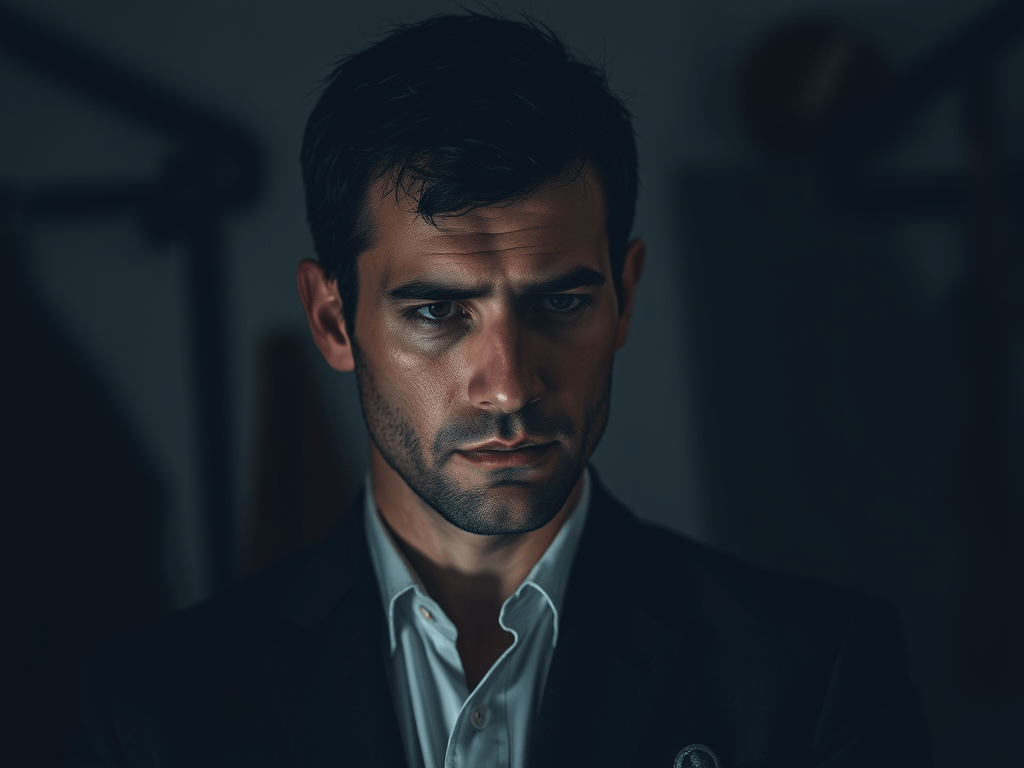
Men’s Health Week
Men’s Health Week runs 9th-15th June and Ryan Erispe, Head of Clinical at The Cabin, Drug and Alcohol Rehab in Thailand, looks at the weight of outdated expectations and unspoken grief that men deal with.
Men are struggling—and too often, no one is listening. Despite growing awareness around mental health and emotional well-being, one truth remains largely unspoken: men’s mental health is in crisis. While public campaigns increasingly promote empathy and self-care, societal narratives continue to sideline men’s emotional pain, casting it as weakness, a joke, or a problem to be solved quietly and alone.
Behind closed doors—on sports fields, in boardrooms, classrooms, and living rooms—millions of men silently wrestle with depression, anxiety, identity confusion, and emotional isolation. This crisis isn’t about excusing harmful behaviour or denying the very real violence patriarchy inflicts on women and marginalized groups. It’s about recognizing that the same system that harms others also silences and wounds men.
The Hidden Cost of Cultural Expectations
At the heart of this issue is a cultural framework that equates masculinity with emotional suppression, dominance, and stoicism. From an early age, boys are fed rigid and reductive messages:
● “Man up.”
● “Big boys don’t cry.”
● “Stop acting like a girl.”
● “Be the provider.”
● “Toughen up.”
Each of these phrases chips away at a boy’s ability to understand and express his full emotional self. Over time, these expectations create a narrow and often damaging definition of what it means to be a man. Vulnerability, sensitivity, and self-expression become liabilities. Kindness and gentleness are discouraged. And emotional intelligence is traded for performative toughness.
This model of masculinity not only disconnects boys from their authentic selves, it actively penalises them for deviating from the norm. Those who show emotion or embrace interests outside the stereotypical mold often face ridicule, isolation, or pressure to conform. They’re told, implicitly and explicitly, that they are not lovable, worthy, or acceptable unless they fit into the narrow script of “manhood.”
When Role Models Fail
So where do young boys turn when they are confused, hurt, or lost? Too often, they find themselves looking to media personalities and influencers who promote hyper-masculine ideals: dominance, emotional detachment, wealth at all costs, and aggression as a form of expression. Social media platforms are saturated with voices claiming to offer “life advice for men,” yet many of these voices promote regressive messages that glorify control, emotional repression, and misogyny.
These figures—however charismatic or popular—rarely model healthy emotional coping or balanced identities. Instead, they reinforce the idea that power and stoicism are the only acceptable male traits, worsening the already severe emotional disconnect many boys feel. This creates a feedback loop in which shame, loneliness, and confusion are masked with bravado, anger, or apathy.
A Silent Epidemic
By the time a boy reaches adolescence, he may already feel overwhelmed by expectations he cannot meet. He’s likely internalized the belief that vulnerability is failure, and performance equals worth. Many boys are carrying emotional burdens they haven’t been equipped to understand or share. These pressures manifest in alarming ways. According to the CDC, men accounted for nearly 80% of suicide deaths in 2023, despite making up only about half of the population. Men are also significantly less likely than women to seek mental health support—often due to fears of being perceived as weak, flawed, or unmanly.
Mental health symptoms in men frequently appear in less recognizable forms. Instead of sadness, men may express irritability, detachment, or risk-taking behavior. Rather than talking about depression, they may describe burnout, fatigue, or physical ailments such as chronic pain or insomnia. As a result, their suffering is often misread—or worse, dismissed entirely.
What We Need to Change
To shift this reality, we must collectively confront and unlearn the outdated beliefs about masculinity that perpetuate harm. We need mental health messaging that resonates with boys and men—language that affirms their emotions, invites their vulnerability, and honours their complexity. Campaigns must reflect how men experience emotional distress and be delivered in spaces where they feel safe and seen.
Healthcare professionals need better training to recognize and respond to male-specific presentations of mental illness. Schools, families, sports teams, and workplaces must create environments where boys and men are encouraged to express themselves without fear of ridicule or rejection.
Equally important is rethinking the role we all play—consciously or unconsciously—in reinforcing the status quo. Parents must consider how they raise their sons. Partners should reflect on the expectations they place on the men in their lives. Educators, coaches, and mentors have the opportunity to model emotional resilience and show that strength and vulnerability are not opposites—they are partners.
For the Men Reading This
Your pain is real. Your emotions are valid. You are not weak for feeling, nor are you alone in your struggle. There is no shame in seeking help. There is no weakness in opening up. You deserve the same compassion, care, and healing that we so readily advocate for others. Whether it’s through a conversation with a friend, a session with a therapist, or a moment of honest reflection—start somewhere. Your mental health matters.
Moving Forward Together
The crisis in men’s mental health will not be solved by slogans or surface-level support. It demands a cultural reckoning. We must stop mocking male vulnerability and start honoring it. We must redefine strength to include self-awareness, connection, and emotional honesty.
Men are not broken. But they are breaking under the weight of outdated expectations and unspoken grief. It’s time to write a new story—one in which boys grow up free to be whole, men grow strong by growing self-aware, and all of us understand that healing is not just a personal journey—it’s a collective responsibility.
Ryan comments: “In a world that is ever changing, men have stood still. It’s time we made space for honesty, for healing, for being human.”

 High Street Gent's Body Confidence
Leave a reply to Essential Health Screenings Every Man in His 30s Should Prioritize – High Street Gent's Body Confidence Cancel reply