
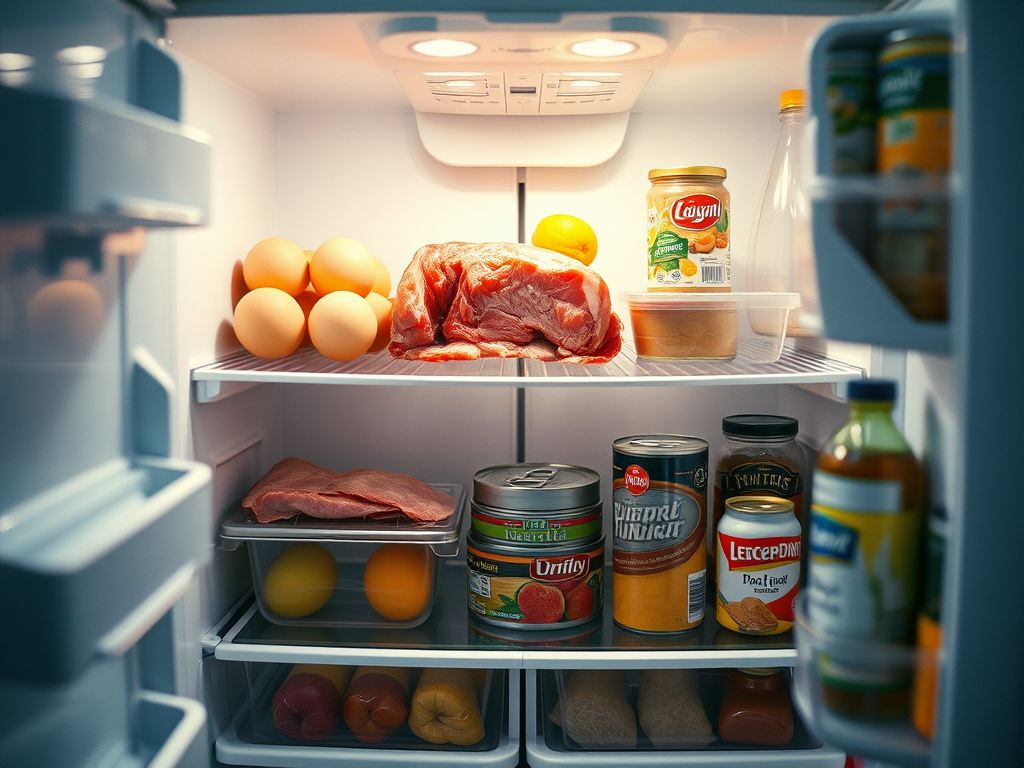
Leaving leftovers to cool on the side can be risky. Storing eggs in the fridge door is another common mistake. A food hygiene expert has warned that these everyday food storage mistakes are putting UK households at risk of serious illness.
According to Mark McShane, food hygiene expert at Food Hygiene Certificate, there are still major misconceptions about what should be kept cold. There is confusion about how leftovers should be handled. Some foods carry hidden bacteria risks.
“It’s not just about sell-by dates – poor food storage can lead to bacteria like salmonella, campylobacter, listeria, and E.coli growing rapidly, especially in warmer weather. Some of the worst habits are the ones people do every day without realising.”
5 Dangerous Food Storage Mistakes – And What To Do Instead
Storing Eggs in the Fridge Door
“The fridge door is the warmest part – and fluctuates every time it’s opened. Eggs should be kept on a middle shelf at a consistent, cold temperature to stay safe and last longer.”
Cooling Cooked Rice on the Side
“Rice is one of the most dangerous foods if not cooled and stored quickly. Leaving it out for more than an hour at room temperature lets Bacillus cereus bacteria multiply, which reheating won’t kill. Cool it fast and refrigerate within an hour.”
Storing Raw Meat Above Ready-to-Eat Food
“Always store raw meat on the bottom shelf of the fridge – juices can drip and contaminate other items. Cross-contamination is one of the most common causes of food poisoning.”
Leaving Opened Tins in the Fridge
“Once opened, food should always be transferred to a non-metal, airtight container. Acidic foods like tomatoes or beans can react with the metal and leach harmful compounds.”
Overfilling the Fridge
“If cold air can’t circulate, your fridge can’t maintain a safe temperature. Overstuffing it – especially in summer – makes it harder to keep food at 5°C or lower. Keeping food at this temperature is the key line of defence against bacteria.”
Mark McShane, food hygiene expert at Food Hygiene Certificate says:
“People think food safety is just about what’s cooked or in date – but how food is stored, cooled, and separated is just as important. It’s often the overlooked steps that make the biggest difference.”
 High Street Gent's Body Confidence
Leave a comment