
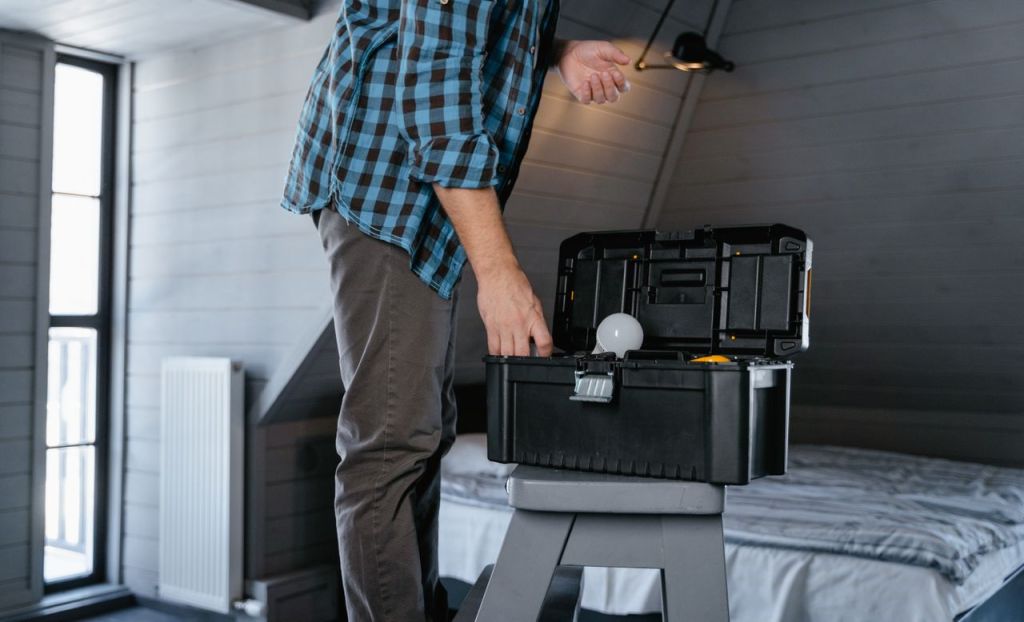
Knowing how to handle basic household problems is one of those skills that can make everyday life easier, less expensive, and far less stressful. You do not need to be a professional builder, electrician, or plumber to take care of many common tasks around the house. A small collection of practical skills can help you deal with minor repairs, maintain important equipment, and recognize when a problem requires professional attention. Whether you live alone, with a partner, or with a family, understanding how your home works gives you greater independence and confidence.
Learn How to Use Basic Tools
Every dream home should have a basic collection of reliable tools, and knowing how to use them is just as important as owning them. A hammer, screwdrivers, adjustable wrench, pliers, tape measure, utility knife, level, drill, and set of hex keys can handle a surprisingly large number of household jobs. Learning the difference between common screws, knowing which drill bit to use, and understanding how much force is appropriate can prevent damaged materials and unnecessary frustration. It is also useful to learn how to measure accurately before drilling or cutting anything. A few minutes spent checking measurements and marking the correct position can prevent mistakes that are difficult to reverse.
Handle Minor Plumbing Problems
Basic plumbing knowledge can save you from calling a professional every time something goes wrong in your bachelor pad. One of the first things every homeowner or renter should know is where the main water shut-off valve is located. If a pipe suddenly bursts or a fitting begins leaking heavily, shutting off the water quickly can significantly reduce potential damage. It is also helpful to know how to replace a worn faucet washer, clear a simple drain blockage, tighten a loose connection, or replace a showerhead. However, knowing your limits is equally important. Major leaks, hidden pipe damage, sewage problems, and issues involving complex plumbing systems should generally be handled by qualified professionals.
Understand Basic Home Safety and Maintenance
Home maintenance is not only about making a property look better; it is also about preventing hazards. Every household should have functioning smoke alarms and carbon monoxide detectors, and residents should know how to test them and replace their batteries when necessary. Regular maintenance should also include checking gutters, inspecting visible roofing problems, cleaning ventilation filters, and looking for signs of moisture or mold. If your property has a fireplace or chimney, professional chimney sweeping can help remove accumulated soot and other deposits and support safer operation. Preventive maintenance may seem boring compared with repairing something that has already broken, but it is usually much cheaper and easier in the long run.
Take Care of Walls, Doors, and Fixtures
Small problems involving walls, doors, cabinets, and household fixtures are among the easiest to learn how to repair. A loose door handle, squeaky hinge, crooked picture frame, or small hole in drywall usually does not require specialist knowledge, but they can make a huge difference in your home’s safety potential. Learning how to apply wall filler, sand a repaired area, touch up paint, and securely install shelves can make a noticeable difference to the appearance of a home. You should also know how to locate studs before attaching heavy objects to walls and how to choose suitable anchors when mounting items to drywall or other surfaces. Doors deserve regular attention as well. If a door does not close properly, checking the hinges and alignment may solve the problem before more extensive adjustments are needed.
Know When to Call a Professional
One of the most valuable household skills is recognizing when a DIY repair should stop. Confidence is useful, but overconfidence can turn a minor problem into an expensive or dangerous one. Work involving electrical systems, gas lines, structural damage, major roofing repairs, or complicated plumbing should generally be assessed by qualified professionals unless you have the appropriate training. Before starting a repair, consider whether you understand the system, have the correct tools, and can complete the job without creating a safety risk. It is also wise to read manufacturer instructions before repairing appliances or equipment. Taking photographs, documenting the problem, and describing what happened can help a professional diagnose an issue more efficiently.
Learning a few basic skills can save money, prevent unnecessary damage, and make everyday household responsibilities feel much more manageable. Start with simple tasks, learn from reliable instructions, and gradually expand your knowledge as your confidence grows. Over time, these small abilities can add up to a much greater sense of independence and control over your home.
 High Street Gent's Body Confidence
Leave a comment